Sinus infections and common colds have similar symptoms, but you can learn to tell them apart. They are located laterally and slightly inferiorly to the nasal cavities. The two maxillary sinuses are located below the cheeks, above the teeth and on t. The maxillary sinus is one of the four paranasal sinuses, which are sinuses located near the nose. ٢٠ ربيع الأول ١٤٣٩ هـ.
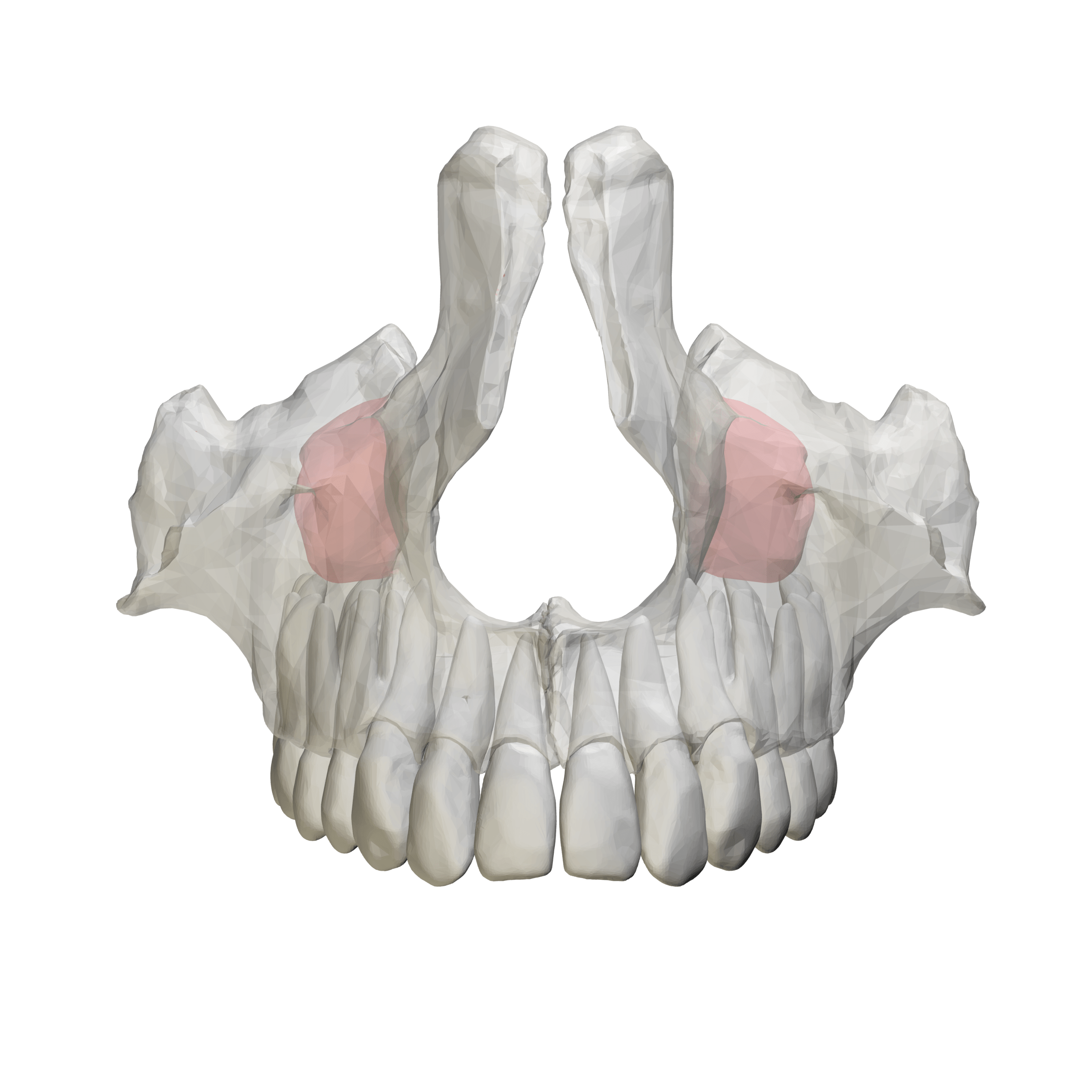
The maxillary sinuses are not only the largest of the air sinuses but also the first to appear, being present in the fourth month of intrauterine life.
The base of the maxillary sinus forms the inferior part of the lateral wall of the nasal cavity. Maxillary, frontal, sphenoid, and ethmoid (see the image below). The two maxillary sinuses are located below the cheeks, above the teeth and on t. The maxillary sinus is the largest of the paranasal . Four sets of paired sinuses are recognized: A sinus infection is inflammation in your sinuses — hollow spaces behind your forehead and cheekbones and between your eyes. The maxillary sinus is one of the four paranasal sinuses, which are sinuses located near the nose. They are located laterally and slightly inferiorly to the nasal cavities. ١١ ربيع الأول ١٤٣٧ هـ. The maxillary sinuses are the largest of the sinuses. The ms is pyramidal in shape and is the largest of the paranasal sinuses 3. The maxillary sinuses are not only the largest of the air sinuses but also the first to appear, being present in the fourth month of intrauterine life. Posterolateral wall made of zygomatic and greater wing of sphenoid bone(maxillary tuberosity).
Sinus infections and common colds have similar symptoms, but you can learn to tell them apart. The two maxillary sinuses are located below the cheeks, above the teeth and on t. The maxillary sinuses are not only the largest of the air sinuses but also the first to appear, being present in the fourth month of intrauterine life. The maxillary sinus is a pyramid shaped pneumatic space with its base adjacent to the nasal wall and apex pointing to the zygoma. These infections are common during the winter season, and they cause symptoms like sinus pain, a runny or stuffy no.

The ms is pyramidal in shape and is the largest of the paranasal sinuses 3.
The base of the maxillary sinus forms the inferior part of the lateral wall of the nasal cavity. The roof of the maxillary sinus is formed by the floor of the . Anterior wall extends from pyriform aperture anteriorly to . Four sets of paired sinuses are recognized: A sinus infection is inflammation in your sinuses — hollow spaces behind your forehead and cheekbones and between your eyes. Sinus infections and common colds have similar symptoms, but you can learn to tell them apart. The maxillary sinuses are the largest of the sinuses. Maxillary, frontal, sphenoid, and ethmoid (see the image below). ٢٠ ربيع الأول ١٤٣٩ هـ. The maxillary sinus is the largest of the paranasal sinuses. The maxillary sinuses are not only the largest of the air sinuses but also the first to appear, being present in the fourth month of intrauterine life. These infections are common during the winter season, and they cause symptoms like sinus pain, a runny or stuffy no. The two maxillary sinuses are located below the cheeks, above the teeth and on t.
The maxillary sinus is the largest of the paranasal sinuses. The maxillary sinuses are the largest of the sinuses. Maxillary, frontal, sphenoid, and ethmoid (see the image below). Sinus infections and common colds have similar symptoms, but you can learn to tell them apart. A sinus infection means you have inflammation and mucus buildup in your sinuses — hollow spaces behind your forehead and cheekbones and between y.

The maxillary sinus is the largest of the paranasal sinuses.
٢٠ ربيع الأول ١٤٣٩ هـ. A sinus infection is inflammation in your sinuses — hollow spaces behind your forehead and cheekbones and between your eyes. ١١ ربيع الأول ١٤٣٧ هـ. Sinus infections and common colds have similar symptoms, but you can learn to tell them apart. The base of the maxillary sinus forms the inferior part of the lateral wall of the nasal cavity. Maxillary, frontal, sphenoid, and ethmoid (see the image below). Anterior wall extends from pyriform aperture anteriorly to . Posterolateral wall made of zygomatic and greater wing of sphenoid bone(maxillary tuberosity). The maxillary sinuses are not only the largest of the air sinuses but also the first to appear, being present in the fourth month of intrauterine life. The maxillary sinus is the largest of the paranasal sinuses. The maxillary sinus is the largest of the paranasal . They are located laterally and slightly inferiorly to the nasal cavities. The maxillary sinuses are the largest of the sinuses.
Anatomy Of Maxillary Sinus - Topography Of The Skull Nasal Cavity :. The maxillary sinus is the largest of the paranasal . ٢٠ ربيع الأول ١٤٣٩ هـ. The base of the maxillary sinus forms the inferior part of the lateral wall of the nasal cavity. The maxillary sinus is one of the four paranasal sinuses, which are sinuses located near the nose. The maxillary sinus is the largest of the paranasal sinuses.


Tidak ada komentar:
Posting Komentar